

What is Rhodium-Plated 925 Silver? The Secret to Tarnish-Free Jewellery in Pakistan

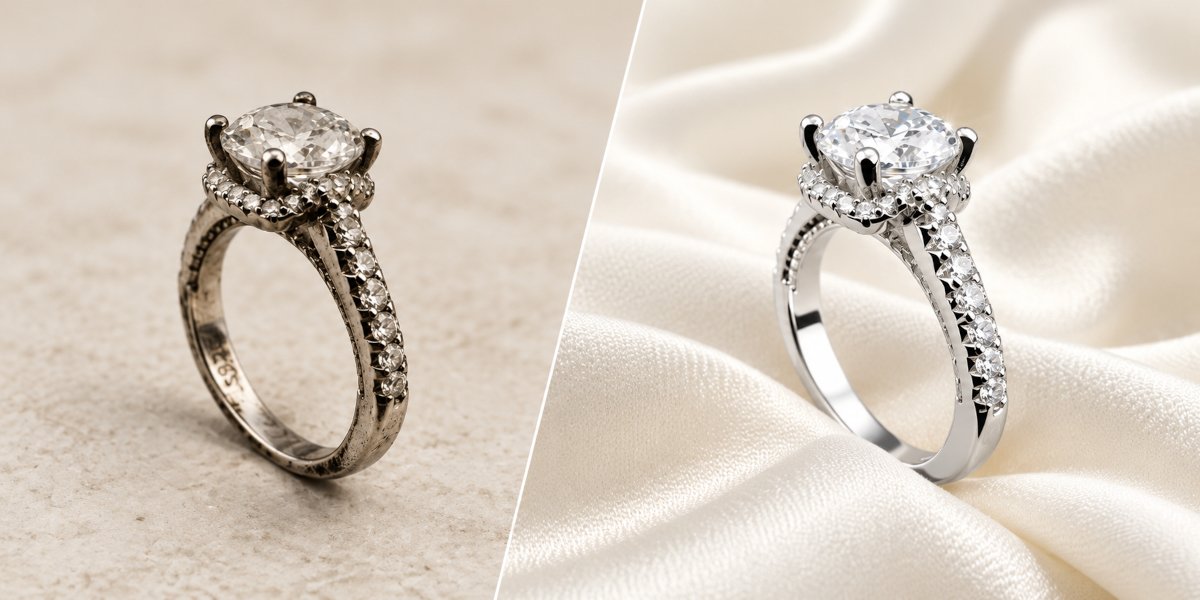
Every Pakistani jewellery lover knows the heartbreak: you invest in a gorgeous 925 sterling silver ring or pendant, wear it a few times during wedding season, store it in your drawer, and open the box months later to find it dull, discoloured, or completely blackened.
In Pakistan, this frustrating phenomenon is universally known as “Kaali Chandi.”
For decades, women had to choose between delicate artificial polish that chips within days, or high-purity silver that requires constant cleaning with chemical dips and baking soda paste. Fortunately, fine jewellery craftsmanship has evolved. The secret to keeping sterling silver luminous, brilliant, and mirror-bright in Pakistan’s unique climate is Rhodium Plating.
Here is everything you need to know about what rhodium-plated 925 sterling silver is, why it solves the tarnish crisis, and why it is transforming the modern Pakistani jewellery landscape.
1. The “Kaali Chandi” Problem: Why Silver Turns Black in Pakistan
Pure silver (99.9%) is too soft to be crafted into durable jewellery, which is why fine jewellers use 925 Sterling Silver—an alloy containing 92.5% pure silver and 7.5% strengthening metals (typically copper).
While copper gives silver the structural integrity needed to set stones and hold delicate filigree, it also makes the metal vulnerable to oxidation and sulfidation. When exposed to airborne sulfur compounds, moisture, and natural acids, copper and silver react chemically to form silver sulfide—the dark grey or black coating known as tarnish.
Pakistan’s environment accelerates this reaction far faster than temperate climates:
- Extreme Humidity & Monsoon: From coastal cities like Karachi with relentless sea breezes to the humid monsoon stretches of Lahore, Islamabad, and Faisalabad, airborne moisture acts as an active catalyst for rapid oxidation.
- Sweat & Skin pH: Scorching subcontinental summers mean sweat is unavoidable. Human sweat contains natural salts, lactic acid, and trace amino acids that strip untreated silver finishes quickly.
- Hard Ground Water (Khara Paani): Tap water in many Pakistani metropolitan areas is notoriously hard and mineral-dense. Washing hands or showering while wearing raw silver immediately exposes the metal to heavy carbonates and salts.
- Everyday Chemical Exposure: Traditional perfumes (itar), alcohol-based perfumes, fairness creams, body lotions, and hair sprays form a cocktail of chemicals that break down untreated silver within weeks.
The result? Pieces bought for special occasions lose their luster, leading many buyers to believe they were sold low-grade metal. In reality, the silver is genuine—it simply lacks a protective shield.
2. What Exactly is Rhodium?
Rhodium is an ultra-rare, precious noble metal belonging to the platinum group (alongside platinum, palladium, and osmium). It is considered one of the rarest and most valuable precious metals on Earth—often trading at prices higher than gold.
Unlike silver and base metals, rhodium has remarkable physical properties:
- Non-Reactive & Corrosion-Resistant: Rhodium does not react with oxygen, sulfur, or atmospheric moisture. It simply cannot rust, oxidize, or tarnish.
- Incredible Hardness: On the Mohs hardness scale, rhodium scores around 6.0 (compared to silver’s 2.5 to 3.0), giving it superior resistance to daily scratches and micro-abrasions.
- Dazzling Reflectivity: Rhodium produces an icy, cold-white mirror shine. In fact, high-end fine jewellery houses around the world use rhodium electroplating over 18K white gold to achieve that pristine, diamond-complimenting brilliance.
100% Hypoallergenic: Rhodium is completely nickel-free. It acts as an impenetrable barrier between reactive base alloys and sensitive skin.
When applied as an electroplated shield over genuine 925 sterling silver, rhodium gives silver the exact exterior durability, color profile, and scratch resistance of solid white gold or platinum—at a fraction of the investment.
3. Rhodium-Plated Silver vs. Regular Silver
| Feature | Standard 925 Sterling Silver | Rhodium-Plated 925 Silver |
| Tarnish Resistance | Low (turns yellow/black within weeks to months) | Extremely High (impervious to airborne oxidation) |
| Surface Color & Finish | Soft, warm metallic sheen; prone to yellowing | Icy, mirror-like “White Gold” chrome shine |
| Scratch Resistance | Prone to surface scuffs and micro-dents | Enhanced scratch resistance due to outer hardness |
| Skin Sensitivity | Can cause black marks or irritation if allergic to trace metals | 100% Hypoallergenic (safe for sensitive skin) |
| Maintenance Level | High (frequent silver polish, dips, and buffing needed) | Minimal (simple wipe with a microfibre cloth) |
| Resale / Base Value | Retains inherent 925 silver metal weight | Retains full 925 silver metal value plus premium finish |
4. How Long Does the Plating Last in Pakistani Conditions?
Because plating involves electro-bonding micron-thin layers of rhodium onto the silver base, longevity depends heavily on how the piece is worn and cared for. Here are realistic expectations for daily wear versus festive occasions:
Daily Wear (12 to 24 Months)
For items that endure continuous friction, hand-washing, and contact with soaps—such as daily rings, bracelets, and cuffs—rhodium plating typically remains bright and scratch-free for 1 to 2 years. Over time, friction points (like the underside of a ring shank) will gently soften back to the underlying warm white of sterling silver.
Occasional & Formal Wear (3 to 5+ Years)
For jewellery worn to dinners, weddings, and formal events—such as statement necklaces, formal studs, and bridal pieces—rhodium plating can easily remain pristine for 3 to 5 years or longer when stored properly in airtight pouches away from sunlight and moisture.
Simple Care Guidelines to Maximize Lifespan:
- The “Last On, First Off” Rule: Always put your jewellery on after applying makeup, hair spray, lotions, and perfumes. Never spray perfume directly onto plated surfaces.
- Remove Before Chores & Workouts: Take off rings and bangles before washing dishes, swimming, applying hand sanitizer, or hitting the gym.
- Wipe After Sweating: After a warm outdoor event or wedding, wipe your piece gently with a lint-free cotton or microfibre cloth to remove surface moisture and body oils before packing it away.
- Store in Zip-Locks: Never leave silver sitting exposed on a dresser tray. Store each piece individually in an airtight velvet-lined box or zip-lock bag.
5. Why Zarsik Uses Rhodium
At Zarsik, our mission is simple: redefine fine silver jewellery for the modern Pakistani woman who demands everyday luxury without the tedious upkeep of traditional chandi.
We finish our handcrafted, solid 925 sterling silver collections with an electroplated rhodium shield so you never have to worry about sudden tarnishing before an important event.
Explore how rhodium transforms our signature collections:
- Rings: From stackable eternity bands to sparkling solitaire rings, our rhodium finish ensures the band withstands daily contact, hand sanitizers, and desk wear while retaining its mirror luster.
- Everyday Earrings: Earlobes are prone to moisture and sensitive reactions. Our rhodium-plated studs and hoops provide a comfortable, non-irritating, hypoallergenic barrier that stays brilliant from morning meetings to evening dinners.
- Anklets (Payals): Anklets face the harshest environment of all—friction against clothing, dust, foot sweat, and humidity. Rhodium plating provides the resilient defense needed to keep delicate silver chains gleaming against your ankles.
- Bridal Sets: With gold prices soaring, smart brides and bridesmaids are embracing silver bridal sets. Our rhodium-plated bridal chokers, earrings, and formal necklaces capture the exact brilliance and depth of 18K white gold and real diamonds, ensuring heirloom-quality beauty in every wedding photograph.
Frequently Asked Questions (FAQs)
Is rhodium-plated 925 silver real silver?
Yes, absolutely. The core of the jewellery is made from authentic 925 sterling silver (92.5% pure silver). Rhodium is applied as an electroplated protective outer layer to prevent tarnish, enhance shine, and protect against scratches.
Will rhodium-plated silver ever turn black?
Rhodium itself cannot oxidize or turn black. However, if the plating wears thin after years of heavy daily abrasion, the underlying sterling silver may eventually interact with air and begin to show signs of mild oxidation. This can be easily resolved with a quick replating.
Can I wear my rhodium-plated silver jewellery in the shower?
While pure water alone will not damage rhodium instantly, soaps, shower gels, hard tap water (khara paani), and chlorine will accelerate the wear of the plating over time. To keep your pieces looking like new, we advise removing your jewellery before bathing.
Is rhodium-plated silver safe for sensitive skin?
Yes. Rhodium is completely hypoallergenic and free of nickel, lead, and cadmium. If you normally develop redness, itching, or green/black skin marks from cheap fashion jewellery or raw silver alloys, rhodium-plated silver is one of the safest options available.
Can rhodium plating be renewed in Pakistan?
Yes. If your favorite ring or necklace starts showing wear after several years of everyday use, any professional silver or gold jeweler can polish the piece and apply a fresh rhodium dip, restoring it back to its original showroom condition.